
Live sauce concentrates
What Are Live Sauce Concentrates
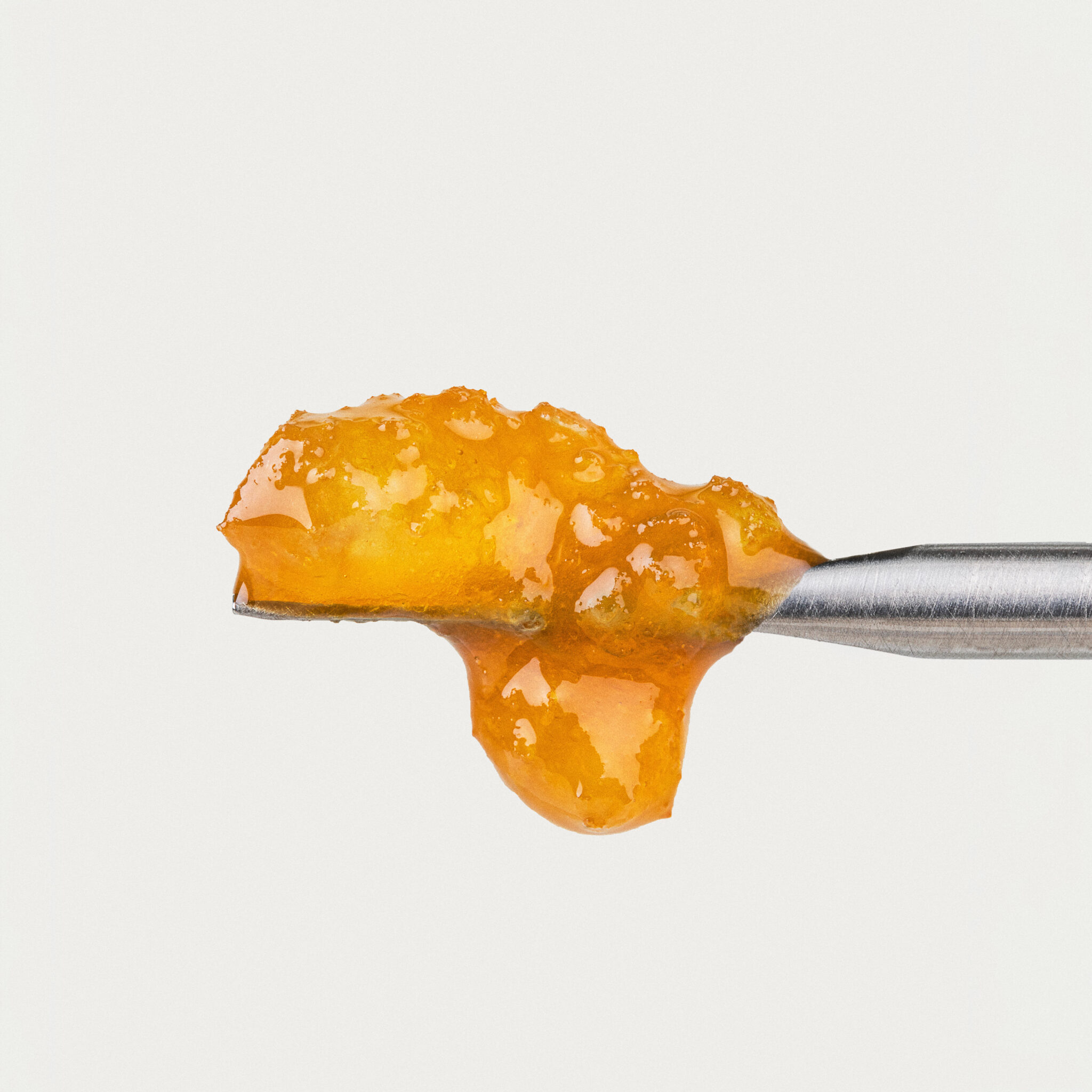
Live sauce concentrates, often referred to as live resin or live terp sauce in the cannabis industry, are premium extracts derived from freshly harvested cannabis plants. The term “live sauce” specifically highlights a viscous, terpene-rich variant that resembles a glossy, pourable sauce, prized for its intense flavors and aromas. This product emerged in the mid-2010s as extractors sought to preserve the plant’s “live” essence, differentiating it from dried-flower concentrates. It’s popular among enthusiasts for its potency and full-spectrum effects, with THC levels often exceeding 80%. Below, I’ll delve into its production, types, effects, usage, and more, drawing from industry practices and scientific insights. live rosin concentrate, how to smoke live rosin concentrate, how to store live rosin concentrate, how to use live rosin concentrate, how to use live rosin concentrates, how to smoke live rosin concentrate, how to store live rosin concentrate, how to use live rosin concentrate, how to use live rosin concentrates, is live rosin the best concentrate, difference between live resin and rosin, weed dab, rosin or resin, thc rosin, difference between rosin and resin, live resin concentrate, live resin concentrates, how to use live resin concentrates, live resin vs concentrate, cured concentrate vs live resin, how to use live resin concentrates, how do you smoke live resin concentrate, how to smoke live resin concentrate, how do you use live resin concentrate, how to use live resin concentrate, live sauce concentrate, what is live sauce concentrate, concentrate difference between live resin sauce vs regular sauce, concentrate sauce live resin, cresco concentrate live sauce, what is live sauce concentrate, how to use live sauce concentrate.
History and Popularity
Live resin was pioneered in Colorado around 2013 by extractors like William Fenger, who experimented with flash-freezing plants to capture volatile compounds. This innovation addressed the loss of terpenes in traditional curing processes, leading to a boom in “live” products. Today, it’s a staple in dispensaries, especially in states like California and Oregon, where high-terpene strains thrive. Popularity stems from its ability to replicate the fresh, nuanced profiles of strains like Blue Dream or Gorilla Glue, appealing to connoisseurs seeking authentic experiences. Market data from New Frontier Data shows concentrates like live resin growing 20-30% annually in legal markets.
Production Process
The production of live sauce concentrates involves meticulous steps to maintain freshness and purity, backed by extraction science.
-
Harvesting and Freezing: Cannabis plants are harvested at peak ripeness and immediately flash-frozen at temperatures below -80°C using cryogenic freezers. This cryogenic process, supported by studies in Journal of Natural Products, preserves terpenes like myrcene and limonene, which evaporate during drying. Without this, the concentrate would lack the vibrant flavors associated with live sauce.
-
Extraction Techniques: The frozen material is extracted using hydrocarbon solvents (e.g., butane or propane) or CO2 in closed-loop systems. Hydrocarbon extraction, common for live resin, dissolves cannabinoids and terpenes efficiently. The mixture is then purged under vacuum and heat to remove solvents, resulting in a crude oil. For “sauce” variants, the oil is further processed to separate THC diamonds (crystallized THC) from the terpene-rich liquid, often using fractional distillation. This yields a product with 10-20% terpenes, far higher than standard concentrates.
-
Equipment and Variations: Professional setups include rotary evaporators and vacuum ovens, costing thousands of dollars. Home methods exist but are risky due to solvent hazards. Variations include “full-spectrum” (retaining all compounds) vs. “broad-spectrum” (THC removed). Lab testing via HPLC or GC-MS ensures potency (e.g., 70-90% THC) and contaminant-free status, as per guidelines from the American Herbal Products Association.
This process, refined over years, ensures live sauce retains the plant’s original profile, unlike cured concentrates that lose up to 50% of terpenes.
Types and Variants
Live sauce concentrates come in several forms, each with unique textures and applications.
-
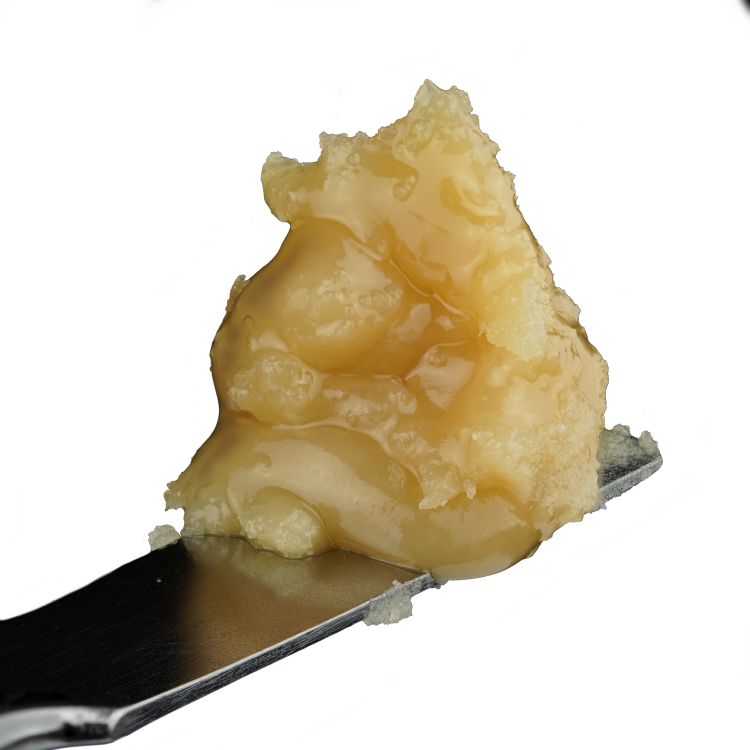
Live Resin: The foundational type, a sticky, sap-like oil that’s versatile for dabbing or vaping. It’s often labeled by strain, like “Live Resin OG Kush.”
-
Live Terp Sauce: The “sauce” in the name, featuring a runny consistency with visible THC diamonds suspended in a terpene matrix. It’s more flavorful and less stable than resin, requiring careful storage to prevent separation.
-
Other Variants:
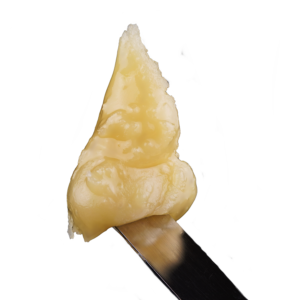
- Badder or Batter: Whipped live resin with a creamy texture, made by agitating the extract.
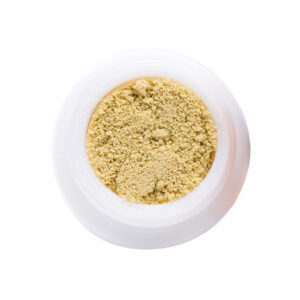
- Crumble: Dried and broken into pieces for easier handling.
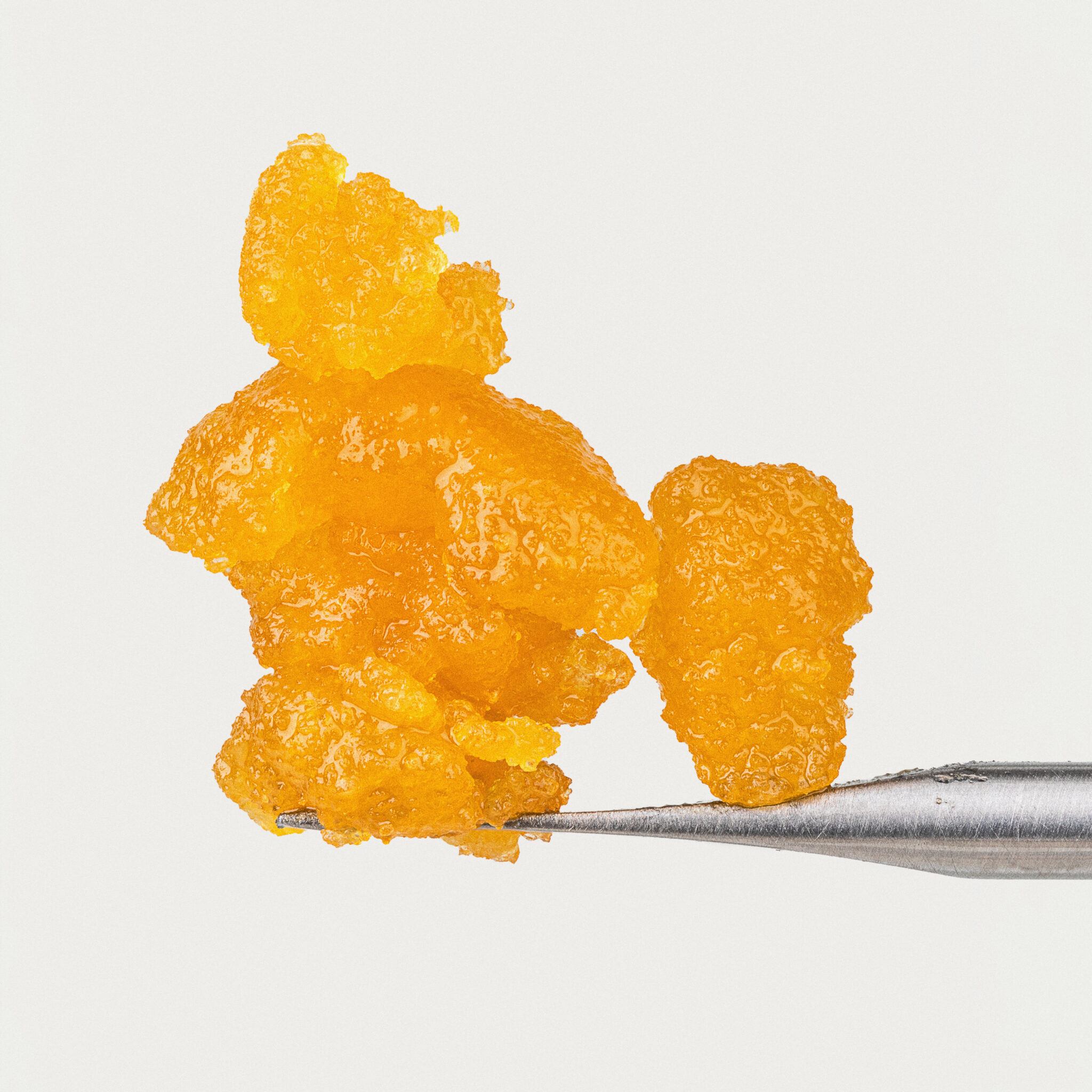
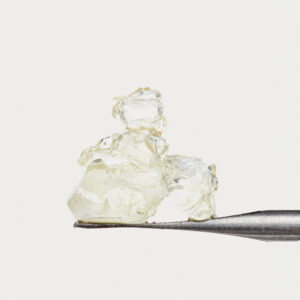
- Diamonds and Sauce: High-THC crystals in a sauce base, popular for potency.
Quality indicators include color (amber for freshness), smell (strong, strain-specific), and lab results. Premium batches from brands like Jetty Extracts or Parallel can cost $50-100 per gram, reflecting the labor-intensive process.
Effects and Benefits
Live sauce concentrates deliver potent, fast-acting effects due to their high cannabinoid and terpene content. THC induces euphoria, relaxation, and pain relief, while terpenes modulate experiences—e.g., limonene adds citrusy uplift, caryophyllene offers anti-inflammatory properties. A 2020 study in Cannabis and Cannabinoid Research found live resin users reported 30% more intense flavor and quicker onset (seconds via dabbing) than flower.
Benefits include:
- Medical Uses: Effective for chronic pain, anxiety, and nausea, per patient reports in clinical trials. Full-spectrum profiles may enhance the “entourage effect,” where compounds work synergistically.
- Recreational Appeal: Provides a heady, immersive high lasting 4-8 hours, ideal for experienced users.
However, risks include overconsumption leading to paranoia or tolerance buildup. Novices should start low to avoid adverse effects.
Usage Methods and Tools
Consumption focuses on maximizing flavor and potency.
-
Dabbing: The gold standard—heat a small amount (0.05-0.2g) on a titanium nail or e-nail (e.g., devices like the Puffco Peak) and inhale vapor. Tools include dab rigs, torches, and carb caps for even heating.
-
Vaping: Pre-filled cartridges (e.g., from brands like Select) offer portability. Temperature control (around 350-400°F) preserves terpenes.
-
Other Methods: Can be added to edibles or topicals, though dabbing is most common for pure effects. Dosage varies; track intake to prevent overdoing it.
Storage tips: Keep in a cool, dark place in silicone containers to maintain viscosity.
Legal and Safety Considerations
Legality depends on jurisdiction. In the US, legal in 24 states for recreational use and 38 for medical, with live resin sold in dispensaries. Federally, it’s restricted, but enforcement focuses on large-scale operations. Internationally, Canada and Uruguay allow it, while most of Europe prohibits it.
Safety is paramount: Regulated products undergo testing for pesticides, molds, and solvents. Risks include respiratory irritation from dabbing or allergic reactions. Long-term use may affect mental health, per studies in The Lancet Psychiatry. Avoid if pregnant or with heart issues; consult a doctor. Sourcing from licensed vendors ensures quality—black-market options carry contamination risks.
In summary, live sauce concentrates represent the pinnacle of cannabis extraction, offering unparalleled flavor and potency. With proper knowledge, they can enhance experiences, but responsible use is key. If you need product recommendations or more on strains, let me know!
| weight | 3.5g, 7g, 20g, 50g, 100g, 1kg |
|---|
Reviews
There are no reviews yet.
Related products
concentrates
concentrates
concentrates
concentrates
concentrates
concentrates
concentrates
concentrates
Be the first to review “Live sauce concentrates”