

Rosin Badder
What Is Rosin Badder?
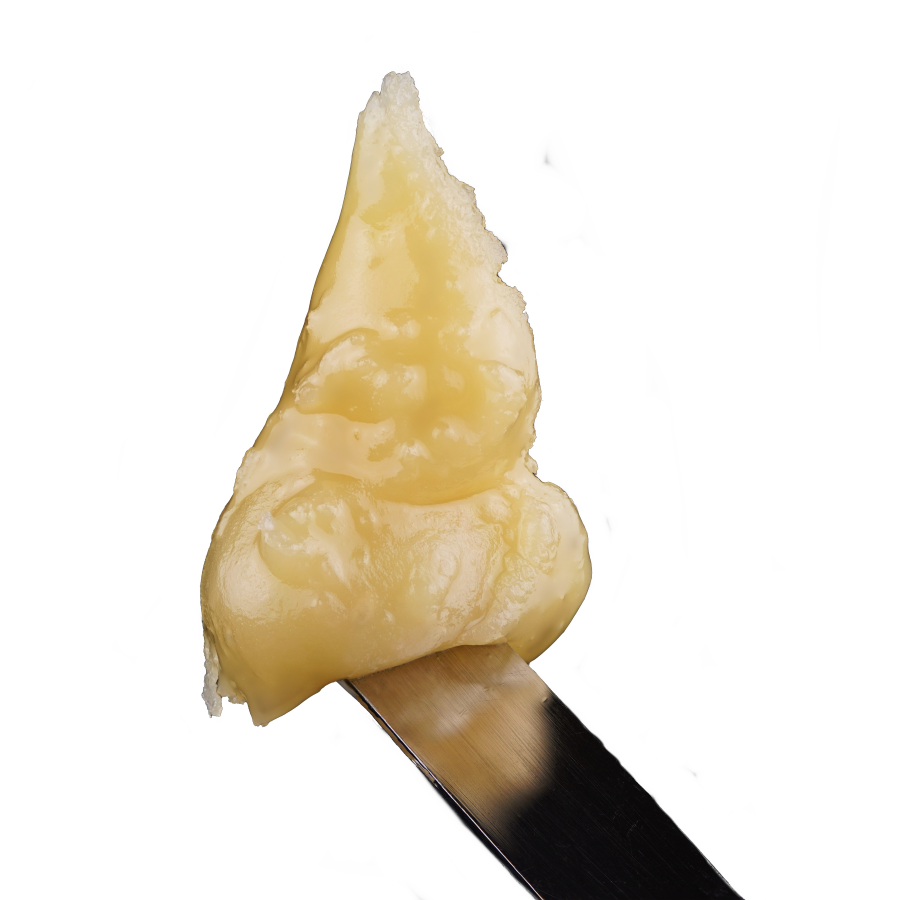
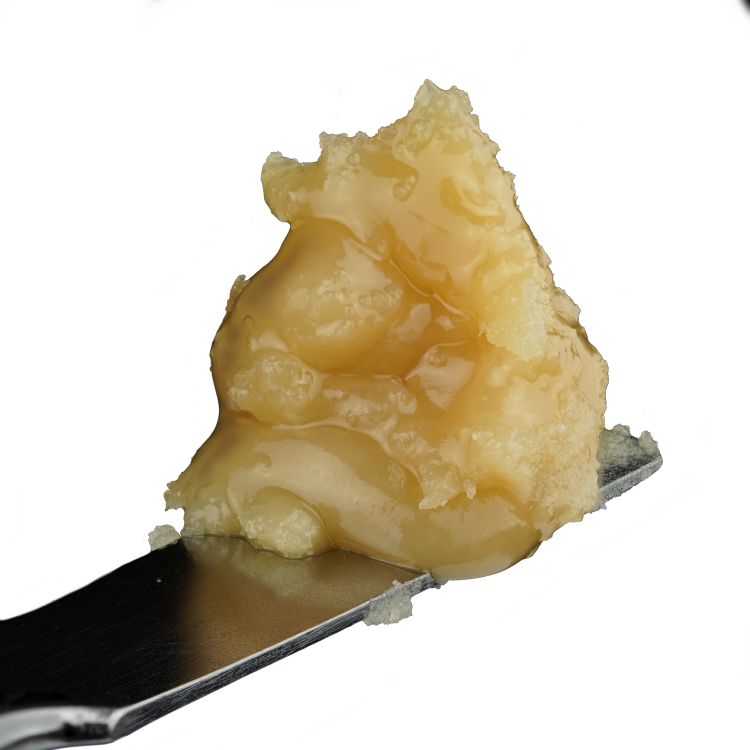
Rosin badder, often simply called “badder” or “rosin batter,” is a popular cannabis concentrate known for its creamy, whipped texture and solventless extraction method. Derived from the cannabis plant, it’s a high-potency product that preserves the plant’s natural flavors and aromas, making it a favorite among enthusiasts and medical users alike. Unlike harsher concentrates, rosin badder offers a user-friendly consistency that’s easy to handle and dab, while delivering intense effects. This guide explores its production, types, effects, usage, and safety, based on established cannabis industry practices. live rosin concentrate, how to smoke live rosin concentrate, how to store live rosin concentrate, how to use live rosin concentrate, how to use live rosin concentrates, how to smoke live rosin concentrate, how to store live rosin concentrate, how to use live rosin concentrate, how to use live rosin concentrates, is live rosin the best concentrate, difference between live resin and rosin, weed dab, rosin or resin, thc rosin, difference between rosin and resin, live resin concentrate, live resin concentrates, how to use live resin concentrates, live resin vs concentrate, cured concentrate vs live resin, how to use live resin concentrates, how do you smoke live resin concentrate, how to smoke live resin concentrate, how do you use live resin concentrate, how to use live resin concentrate, live sauce concentrate, what is live sauce concentrate, concentrate difference between live resin sauce vs regular sauce, concentrate sauce live resin, cresco concentrate live sauce, what is live sauce concentrate, how to use live sauce concentrate.
Production Process
Rosin badder is produced through a clean, chemical-free process that emphasizes purity and sustainability, setting it apart from solvent-based extracts like BHO (butane hash oil).
-
Rosin Extraction Basics: The foundation is rosin, extracted by applying heat and pressure to cannabis flower, kief, or hash. High-quality nugs or trim are placed between parchment paper or silicone mats and compressed in a rosin press. Temperatures range from 150-220°F, with pressures up to 1,000 PSI, forcing the resinous oils out. This “squish” method, developed in the 2010s by innovators like those at Rosin Tech, avoids solvents entirely, reducing environmental impact and health risks. Studies in Journal of Cannabis Research show rosin retains up to 95% of the plant’s terpenes and cannabinoids, unlike methods that degrade these compounds.
-
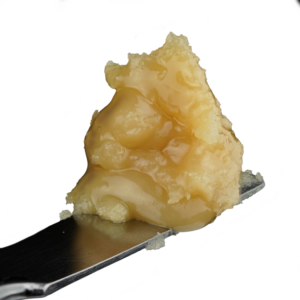
Creating the Badder Texture: Once the rosin is extracted as a sticky oil, it’s whipped or agitated to incorporate air, transforming it into a soft, batter-like consistency. This step, often done manually or with tools, prevents the product from becoming too hard or crystalline. Producers may add slight heat or use a whipping motion to achieve the ideal texture, which resembles cake batter or frosting. For premium batches, strains with high terpene content (e.g., indica-dominant varieties) are selected to enhance flavor profiles.
-
Quality Control and Variations: Reputable manufacturers conduct lab testing for potency (typically 60-90% THC), terpene profiles, and contaminants like pesticides or molds. Certificates of Analysis (COAs) from labs such as SC Labs ensure transparency. Variations include “live rosin badder” from flash-frozen plants, which preserves even more volatiles, versus standard rosin from cured flower. The process is scalable for home setups (using affordable presses) or commercial operations, with yields depending on starting material quality.
This method’s simplicity and safety have made rosin badder a staple in legal markets, appealing to those wary of chemical residues.
Types and Variants
Rosin badder comes in several forms, each tailored to different preferences and uses.
-
Standard Rosin Badder: The classic whipped texture, often in shades of amber or gold, with a smooth, moldable feel. It’s versatile for dabbing and vaping.
-
Live Rosin Badder: Made from freshly frozen cannabis, it offers fresher, more vibrant flavors and aromas. This variant is pricier due to the cryogenic process but prized for its “live” essence.
-
Flavored or Infused Variants: Some producers infuse with natural terpenes for enhanced profiles, like fruity or spicy notes. Hybrid versions blend rosin with other concentrates for unique consistencies.
-
Packaging and Sizes: Typically sold in 0.5-2g jars or syringes, with prices ranging from $20-50 per gram in dispensaries. Brands like Jetty or Parallel specialize in rosin badder, often highlighting strain-specific options (e.g., OG Kush or Blue Dream badder).
Quality indicators include color (darker hues suggest oxidation), smell (strong and strain-accurate), and melt (should vaporize cleanly without residue).
Effects and Benefits
Rosin badder provides potent, fast-acting effects due to its high cannabinoid and terpene content. THC levels induce euphoria, relaxation, and pain relief, while terpenes like myrcene (sedative) or limonene (uplifting) modulate the experience. A 2021 study in Cannabis and Cannabinoid Research found users reported quicker onset and more intense flavors compared to flower, with effects lasting 4-8 hours.
Benefits include:
- Recreational: Ideal for experienced users seeking a heady, flavorful high. The whipped texture allows for easy dosing and creative consumption.
- Medical: Effective for conditions like chronic pain, anxiety, or insomnia. Full-spectrum profiles may enhance the entourage effect, where compounds synergize for better relief. Patient reports on platforms like Leafly note reduced inflammation and improved sleep.
- Drawbacks: Potency can cause anxiety, dry mouth, or tolerance. Overuse might lead to dependency; start with micro-doses (0.05g) to assess tolerance.
It’s not for novices, as the effects can be overwhelming without experience.
Usage Methods and Tips
Rosin badder is primarily consumed via dabbing for optimal flavor and potency.
-
Dabbing: The most popular method—use a dab rig with a heated nail (400-500°F). Apply a small amount, cover with a carb cap, and inhale vapor. Devices like the Puffco Peak simplify this with app-controlled heating.
-
Vaping: Compatible with rosin-specific cartridges or pens, offering portability. Heat settings around 350°F preserve terpenes.
-
Other Methods: Can be sprinkled on joints, added to edibles, or used in topicals. For storage, refrigerate in airtight containers to maintain texture; it can degrade if exposed to heat or light.
Dosage advice: Begin low and go slow. Clean equipment after use to avoid buildup, and stay hydrated to counteract dry mouth.
Legal and Safety Considerations
Legality depends on location. In the US, rosin badder is legal in states with cannabis programs (e.g., 24 for recreational, 38 for medical), sold in dispensaries. Federally, it’s restricted, so interstate shipping is illegal. Internationally, Canada and Uruguay permit it, while most countries ban it.
Safety is enhanced by its solventless nature, but precautions apply. Lab-tested products minimize risks like contaminants, but unregulated ones may contain impurities. Avoid if pregnant, with heart conditions, or under 21. Long-term use may affect mental health, per research in The Lancet Psychiatry. Source from licensed vendors for quality assurance.
In summary, rosin badder represents a pinnacle of cannabis innovation, offering potent, flavorful experiences through safe extraction. Whether for relaxation or relief, it’s a versatile concentrate worth exploring in legal contexts. For specific products or strains, consult local experts.
| weight | 3.5g, 7g, 20g, 50g, 100g |
|---|
Reviews
There are no reviews yet.
Related products
concentrates
concentrates
concentrates
concentrates
concentrates
concentrates
concentrates
concentrates
Be the first to review “Rosin Badder”